

Myth: Gambling is a guaranteed way to make money
One of the most prevalent myths surrounding gambling is the belief that it is a surefire way to generate income. Many individuals are drawn to the allure of quick financial success and imagine themselves striking it rich with a single bet. However, the reality is that gambling is fundamentally based on chance, and the odds are often stacked against the player. Casino games, such as the instant withdrawal casino , sports betting, and other forms of gambling are designed to ensure that the house always maintains an edge, making consistent profits unlikely for the average gambler. This understanding is crucial for anyone considering gambling as a viable income source.
This misconception can lead to serious financial consequences for those who gamble irresponsibly or rely on it as a primary source of income. Players should approach gambling as a form of entertainment rather than a means of financial gain. Understanding the nature of games and their odds can help mitigate unrealistic expectations and encourage more responsible gambling practices. By treating gambling as a leisure activity rather than a business venture, players can enjoy it without the pressure of financial expectations.
Instead of viewing gambling as a money-making venture, it is essential to set a budget and adhere to it while recognizing that losses are a natural part of the experience. This mindset will not only enhance enjoyment but also protect individuals from the financial pitfalls that can arise from chasing losses or expecting a return on investment in a high-risk environment. Responsible gambling encourages players to enjoy the thrill of the game while maintaining control over their financial well-being.
Myth: You can predict the outcome of games of chance
Another common belief is that players can develop systems or strategies that allow them to predict the outcomes of games of chance, such as slots or roulette. This myth often leads individuals to believe that they can gain an edge over the house by applying specific techniques or patterns. While it is true that certain games involve skill, such as poker or blackjack, many popular casino games are entirely based on random chance, making prediction impossible. Understanding this fundamental difference is essential for any gambler.
The randomness of outcomes in games like slots and roulette is governed by algorithms and random number generators, which ensure that every spin or roll is independent and unpredictable. Attempting to find patterns in this randomness is futile and can lead to excessive time spent studying unproven strategies. Players should understand that each game round operates independently, and no previous outcomes can influence future results. This knowledge can help reduce frustration and disappointment when outcomes do not align with expectations.

Ultimately, instead of focusing on predicting outcomes, players can enhance their experience by learning about the rules, understanding the odds, and managing their bankroll effectively. Having a firm grasp of how games work can lead to informed and enjoyable gambling sessions without the frustration of attempting to outsmart randomness. Knowledge is a powerful tool that can transform the gambling experience into one that is both entertaining and responsible.
Myth: All forms of gambling are addictive
The notion that all gambling activities lead to addiction is a misconception that can stigmatize responsible gamblers. While it is true that gambling addiction is a serious concern for some individuals, not everyone who participates in gambling will develop problematic behavior. Many gamblers engage in the activity recreationally and responsibly, keeping their spending within safe limits and enjoying it for its entertainment value. Recognizing this diversity in gambling behavior is crucial for a balanced understanding of the activity.
Understanding the psychology behind gambling can help dispel the myth that it is inherently addictive. Many people can participate in gambling without experiencing negative consequences, as they are aware of the risks and exercise self-control. Education about responsible gambling practices, such as setting limits on time and money spent, can further encourage a healthy balance between enjoyment and risk. By promoting responsible gambling, we can cultivate an environment where individuals can enjoy the activity without fear of stigmatization.
It is vital to address gambling addiction with sensitivity and support, but it is equally important not to generalize that all gamblers are prone to addiction. Promoting awareness of responsible gambling and the benefits of moderation can empower individuals to enjoy the activity safely and responsibly, eliminating the stigma associated with the misconceptions surrounding gambling behavior. This approach fosters a more supportive community for all types of gamblers, encouraging responsible play and understanding.
Myth: Casinos use tricks to manipulate players
Some individuals believe that casinos employ tricks or psychological tactics to manipulate players into losing money more frequently. This myth asserts that establishments use deceptive practices, such as altering the odds or using deceptive layouts, to lure players into making poor decisions. While it is true that casinos design their environments to be engaging and enticing, they do not resort to cheating or manipulation to achieve financial gain. Understanding the ethics of casino operations is key to demystifying this misconception.
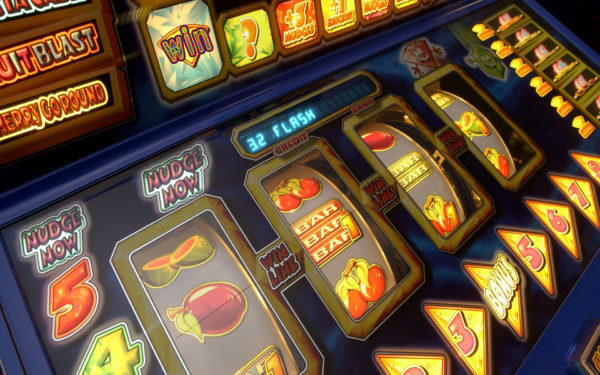
Casinos rely on their house edge, which is built into the games themselves, rather than resorting to unethical practices. The design and ambiance of a casino are carefully curated to create an enjoyable experience for players, but they do not influence the outcomes of games in an unfair manner. Players should recognize that the odds are predetermined from the outset, and their experience should be viewed purely as entertainment rather than exploitation. This clear understanding can enhance a player’s approach to gambling by focusing on enjoyment rather than suspicion.
By understanding the legitimate nature of casino operations, players can engage in gambling with a clearer perspective and without unnecessary suspicion. This knowledge can foster trust in the gaming industry and encourage participants to focus on the enjoyment of the games rather than being preoccupied with unfounded fears of manipulation. A well-informed player is more likely to have a positive experience, appreciating the entertainment value of gambling without the influence of misguided beliefs.
Enhancing Your Gambling Experience with Knowledge
To foster a healthier gambling experience, it is essential to approach the activity with a well-informed mindset. Understanding the truth behind common myths not only empowers players but also lays the foundation for responsible gambling practices. With knowledge, gamblers can make better decisions, enjoy their time at the tables, and remain in control of their spending, which is critical to maintaining gambling as a fun pastime. This foundation of knowledge can transform the gambling experience into one that is both enjoyable and sustainable.
Education plays a significant role in promoting safer gambling. By staying informed about the games they play, the odds involved, and the risks of problem gambling, players can engage more meaningfully in their experiences. Whether it is through reading articles, attending seminars, or participating in online forums, seeking out information can help dispel myths and establish a healthier approach to gambling. The more educated players are, the better equipped they will be to make informed decisions.
Ultimately, by prioritizing education and understanding in gambling practices, players can create a more enjoyable and less risky gambling experience. This proactive approach not only leads to better play but also promotes a culture of responsible gambling that benefits individuals and communities alike. Sharing knowledge and experiences can help create a supportive environment where gambling is appreciated for its entertainment value while respecting the importance of responsible play.